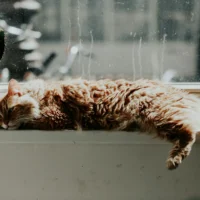


Does this sound familiar? You’ve finally settled into bed, ready for some much-needed rest, when your feline pal decides it’s time to start a midnight concert. For some people, that scenario plays out nearly every night. Many people wonder why their cats insist on vocalizing after dark! This is one of the many curious kitty quirks we are happy to offer advice on here at Hobe Sound Veterinary Clinic, your Jupiter Island, FL vet clinic,
By exploring why cats cry at night, learning strategies for stopping night meows, and using practical cat sleep improvement tips, you can help your kitty (and yourself) enjoy more restful nights.
Why Cats Are More Active at Night
Cats are naturally crepuscular, which means they’re most active at dawn and dusk. In the wild, this aligns with their hunting patterns. Pet kitties may never hunt anything aside from their food bowl, but they still carry this instinct. While some adapt to household routines, others remain more energetic after dark, leading to nighttime meows.
For some cats, nighttime activity also stems from boredom, hunger, or attention-seeking behaviors. Understanding these natural tendencies makes it easier to manage them.
Common Reasons Cats Meow at Night
Not all nighttime meowing is the same. There are several common triggers for cat meowing at night. One reason is hunger or thirst: Fluffy may cry if food or water bowls are empty. Loneliness or attention-seeking can also cause your kitty to speak up. Cats often learn that meowing brings human interaction. Boredom is another option. If your kitty doesn’t get enough stimulation during the day, her energy will spill over into the night.
Other potential causes for kitty meowing include stress or environmental changes, such as moving, new pets, or changes in routine can disrupt sleep; medical issues, such as pain or nausea; or cognitive decline, which often causes restlessness in senior cats.
Recognizing the root cause is the first step toward finding the right solution.
Why Cats Cry at Night: Medical Considerations
Sometimes, nighttime meowing isn’t just behavior. It can be a symptom of illness. Conditions that may contribute include hyperthyroidism, which increases activity and vocalization; hypertension, which can affect behavior and sleep; kidney disease, causing increased thirst and nighttime restlessness; and cognitive dysfunction, which is similar to dementia in people and affects older cats.
If your cat’s nighttime meowing is new or paired with other health changes, schedule a veterinary exam to rule out medical problems.
Stopping Night Meows Through Routine
Cats thrive on consistency. Creating a predictable routine reduces nighttime restlessness. Set regular feeding times and offer the last meal just before bed. It may also help to schedule interactive play sessions in the evening to tire your kitty out. Be sure to provide a calm, dim environment at night by lowering lights and reducing noise. And finally, while you may want to check on Fluffy if she is suddenly meowing frantically, you should in general avoid rewarding nighttime meows. If you get up and give your kitty a midnight snack, you’re training her to order dinner after bedtime.
Cat Sleep Improvement Tips
Small adjustments in the home environment can make a big difference. One thing you can do is to offer puzzle feeders or toys before bed to keep your cat mentally engaged. Also, provide cozy sleeping spots in quiet, dark areas of the home. You may want to add a perch or cat tree near a window so your feline friend can observe without disturbing you. Another option is to use calming pheromone diffusers to reduce nighttime anxiety.
Encouraging daytime activity and nighttime calm is the ultimate goal. Play with your kitty daily. You want to tire her out before bedtime.
Helping Senior Cats With Nighttime Meowing
Older cats may cry at night due to confusion, pain, or changes in vision and hearing. Special strategies for seniors include setting out nightlights to help them navigate in the dark, and providing accessible litter boxes and food dishes to reduce stress. Regular veterinary checkups are also crucial to managing age-related health issues
Senior cats benefit from extra patience and veterinary support.
Preventing Reinforcement of Nighttime Meowing
It’s natural to want to comfort your cat when they cry, but giving in can reinforce the behavior. To avoid this cycle, don’t feed Fluffy for nighttime meows: as mentioned above, that’s just rewarding her. Instead, adjust feeding to earlier or later times. Reward quiet behavior during the day and evening with praise and treats.
It’s important to know your pet, and be able to read her. Click here to see our prior blog on kitty aggression.
Fun Fact: Cats Have Over 100 Vocal Sounds
While dogs bark, growl, or whine, cats have a much broader vocal range. From chirps and trills to yowls, each sound conveys different needs. Some kitties save their loudest performances for nighttime.
Chewy has an article on kitty vocalizations here. The ASPCA also covers meows in this article.
FAQs About Cat Meowing at Night
Is nighttime meowing normal in cats?
Yes, especially in younger cats or those with lots of energy. However, excessive crying may signal a problem.
How can I stop my cat from waking me up for food?
Feed your cat right before bedtime and use timed feeders to provide meals during the night if needed.
Do cats meow at night because they’re lonely?
Often, yes. Providing companionship, toys, or another pet may help reduce loneliness-driven meows.
Can medical conditions cause nighttime meowing?
Yes. Hyperthyroidism, kidney disease, and cognitive decline are a few possible options, but many health issues can cause kitties to cry at night.
Will adopting another cat stop the meowing?
Not always. While companionship can help, it may also introduce new stressors. Consider carefully before adopting.
Visit Our Hobe Sound Veterinary Clinic for Cat Behavior Support
If you’ve been searching for a “vet near me” because your cat’s nighttime serenades are keeping you awake, Hobe Sound Veterinary Clinic is here to help. Serving Hobe Sound, FL, our veterinarians provide guidance on cat meowing at night, offer solutions for stopping night meows, and share cat sleep improvement tips tailored to your kitty’s needs. Call today to schedule an appointment and enjoy a quieter, more restful home.
Click here to visit our Service page and find out more about our clinic and the animals we treat. You can also go here to learn more about our Nutrition and Weight Management services.
This blog is for informational purposes only. Always consult your veterinarian for diagnosis, treatment, and behavior support suited to your cat’s needs.